
Silver Coin Authentication Methods: A Complete Guide to Verification
4 min reading time
4 min reading time
Are you confident in the authenticity of your silver coin collectibles? Knowing the right silver coin authentication methods is essential for collectors and investors to avoid counterfeit coins and protect their investments. This complete guide will walk you through the most reliable verification techniques—from visual inspections to advanced chemical and technological tests—enabling you to authenticate silver coins confidently and securely. Let’s explore how to keep your collection genuine and valuable.
Silver coin authentication methods are critical because counterfeit silver coins are increasingly sophisticated and widespread. Collectors and investors risk losing money if they cannot distinguish genuine coins from fake ones. Authentic silver coins hold intrinsic metal value and collectible worth, whereas fakes can be worthless or even damaging to a collection’s reputation.
Authenticating silver coins involves verifying physical characteristics such as weight, dimensions, and visual details, as well as performing tests that confirm metal purity and internal composition. Using a combination of methods increases the accuracy of authentication and reduces reliance on any single test.
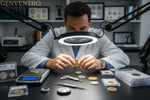
A first step in silver coin authentication methods is close visual inspection. Genuine silver coins typically show sharp designs, clear mint marks, and consistent fonts. Pay attention to edge milling, symmetry, and relief depth, which counterfeiters often fail to replicate.
Look for established purity stamps like “999” or “Ag999” indicating 99.9% silver purity. However, counterfeit coins sometimes bear fake hallmarks, so verifying these marks alongside other methods is necessary. Observing the coin’s luster and color can also give clues—the tone of real silver usually has a bright yet slightly muted metallic sheen.
Authentic silver coins conform to strict size and weight specifications issued by their mints. Employ a digital scale for weight and a caliper for diameter and thickness measurements. Even minor deviations might signal an altered or counterfeit coin.
For example, a typical 1 oz silver coin weighs approximately 31.1 grams. Verify these benchmarks against official references. If you’re seeking high-quality silver collectible bars or coins, such as a new limited mintage silver bar with certificate of authenticity, always check the specifications closely.
Silver is non-magnetic, so one basic silver coin authentication method is to test the coin’s magnetic response. Using a strong neodymium magnet, ensure the coin is not attracted. However, be cautious since some counterfeits use non-magnetic metals.
Silver emits a distinctive, clear, and long-lasting ring when tapped. Gently tapping the coin with a non-damaging metal object should produce a high-pitched tone. A dull or short sound might indicate a counterfeit or plated coin. This test is simple yet effective for initial verification.
The acid test involves applying a small drop of nitric acid to a discreet, non-valuable area of the coin to observe the reaction. Authentic silver turns a creamy white, whereas base metals may discolor or corrode. This method should be used cautiously to avoid damaging collectibles.
XRF analyzers provide one of the most advanced silver coin authentication methods by measuring the exact metal composition non-destructively. This technology can quickly differentiate between real silver and alloys, even for sophisticated counterfeits. Many professional dealers and appraisers offer this service. Coin collectors interested in unique pieces, such as a rare silver coin with limited mintage and certification, often rely on these tests before purchase.
Sending your silver coins to established grading companies like PCGS or NGC provides expert verification. These services assign a grade and encapsulate the coin in tamper-evident holders, supplying ownership assurance and improving resale value.
Certified coins typically have documented provenance, serial numbers, and detailed grading reports—adding confidence for buyers and sellers. Collectors should consider certification, especially for high-value pieces or collectible series like the themed fine silver collectible coins, which often come with certificates of authenticity.
Silver coin authentication methods are indispensable for ensuring your silver collectibles are genuine and valuable. By incorporating visual inspection, precise measurements, physical tests, chemical assays, and professional certification, collectors can safeguard their investments effectively. Whether you are verifying a rare coin or a limited-edition silver bar with COA, employing these methods fortifies your confidence in each piece. To start or expand your collection with trusted authentic silver products, explore our selection today and find pieces with verified authenticity and certificate guarantees.

Genventro LLC Expands with New Florida DBA “Hold Your Bullion” to Meet Growing Precious Metals Demand Genventro LLC (Florida Registration No. L25000389221) is proud to...
Genventro LLC Expands with New Florida DBA “Hold Your Bullion” to Meet Growing Precious Metals Demand
Wondering how to protect your precious metals from theft or damage? The Best Ways to Store Silver & Gold at Home Safely (And What Not...
The Best Ways to Store Silver & Gold at Home Safely (And What Not to Do)
Gold vs Silver: Which Precious Metal Is Better for Collectors and Investors? is a question that many ponder, especially as market volatility and economic uncertainties...
Gold vs Silver: Which Precious Metal Is Better for Collectors and Investors? A Risk-Reward Analysis